
AZ Speaks Presentation Catalog
Filters
Category
Author Name
Sort by
Arizona/Southwest History
(Mother) Road to the Stars: Rt 66 and its Space Heritage
Fully Booked
Route 66 is one of the most storied roadways in North America, known for its roadside diners, historic hotels and kitschy attractions. But it also boasts an extraordinary space heritage; along its course lies the birthplaces of space pioneers, centers of space exploration and discovery, training grounds for Moon-bound astronauts, the best-preserved asteroid impact site in the world, site of a famous UFO sighting, and museums celebrating these cosmic connections. In honor of the upcoming centennial of Route 66, Lowell Observatory Historian Kevin Schindler will lead a virtual trip along the Mother Road and explore this space heritage.
Note: This presentation/presenter is fully booked and is no longer available for further AZ Speaks bookings.

Environmental Humanities
Humanities in Contemporary Issues
Indigenous Culture
Jurisprudence/Justice Studies
Water, Sovereignty, and Survival: Understanding Tribal Water Rights in Arizona
Water has always been at the heart of life and survival in the desert Southwest. This presentation explores the history, law and ongoing significance of Tribal water rights in Arizona. Presenter Cora Tso will trace the evolution of Tribal water law and policy—from early court battles and landmark settlements to present-day efforts to protect and manage these critical resources. Participants will gain insight into how Tribal nations are shaping Arizona’s water future, environmental stewardship, Tribal nation-building and sovereignty in a time of scarcity and change.

Arizona/Southwest History
Environmental Humanities
Foodways
Arizona’s Ark of Taste Foods
Chef and Cultural Anthropologist Amber Sampson brings you on a journey of taste around Arizona's heritage food history. Sampson will expand on Arizona's Ark of Taste, a living catalog of foods facing extinction, including the local, heritage, and native foods that are unique to Arizona's food history. Come learn about favorites, like White Sonora Wheat, teapry beans, and Ark of Taste foods like Black Sphinx dates, cholla buds, chilitipin pepper, and more. In learning about Arizona's food history, the people, producers, communities, and cultures behind each bite, you can better support your local food community and create a more sustainable food system.
Note: This presentation will include Sonoran foraged tea for the audience to enjoy as part of the experience. Please make sure this is okay for your site to have. The presentation can be done without it as well.

Arizona/Southwest History
Artist Talk
Music
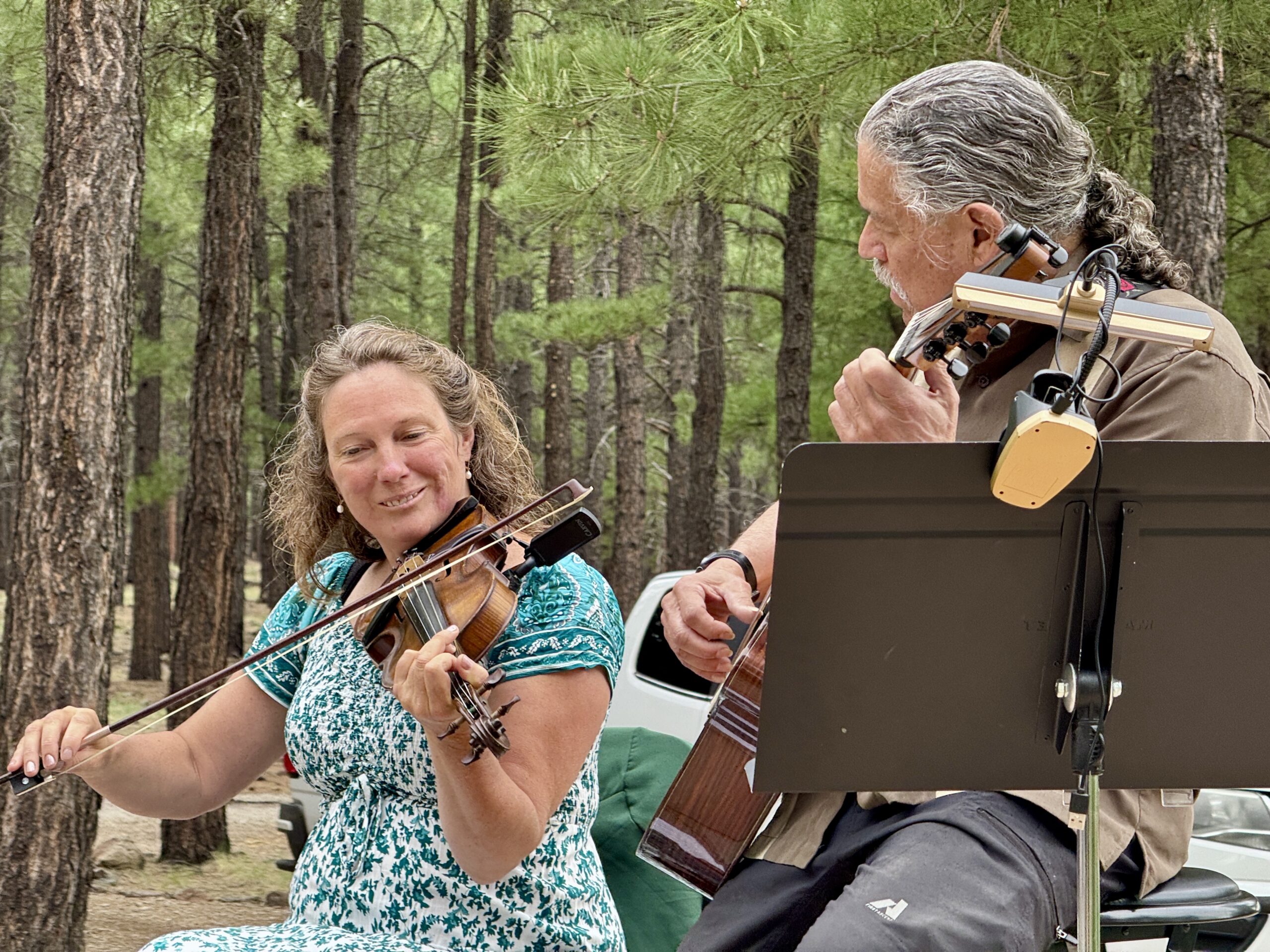
The Wild West Fiddle Project: Arizona’s Hidden Soundscape
Fully Booked
Join Dr. Kate Rose and Armand Ramirez for a fun, all-ages, interactive performance that uncovers Arizona’s rich blended heritage through traditional folk music and dance. Featuring live fiddle and guitar music and storytelling, this experience reveals how pioneer musicians, whose roots spanned old worlds and new terrains, integrated their traditions with those of neighboring communities. Connection with the land shaped these emerging traditions, where Celtic melodies and Hispanic rhythms interweave seamlessly. We will hear revived tunes showing how cultures converged to create a unique sound, reminding us to connect with the beauty of our state’s open skies, deep canyons, and vast forests.
Note: This presentation/presenter is fully booked and is no longer available for further AZ Speaks bookings.
Artist Talk
Indigenous Culture
Living the Mesquite Life
From birth to death, the mesquite tree, here in southwest, is an integral part of life for many who call the desert home. The mesquite tree is just one of many holistic materials, elements of our natural environment, that are vital to sustaining Indigenous culture and practices. We will explore how we are related to the mesquite tree from when we begin life, to maintaining the lifestyle of organics, until death when we go.
Note: This presentation will include a hands-on activity with organic materials and commercial clay for a better understanding of the mesquite tree’s basic utilitarian usage. This presentation can also be done without the hands-on activity.

Artist Talk
Poetry
Wellness
Listening to the Stories of Landscape
How do we know this land beneath our feet, wheels, or prosthesis? How can we locate and listen to nature in cityscape as well as in the wild? There is a dicho, “¿Y dónde está tu ombligo?” A saying literally translated as, “Where is your bellybutton?” But the dicho means, “Where are you centered or rooted?” No matter where we are, the land is alive. Through poetry readings, activities, and discussion, we will engage creatively with the ground beneath our bodies

Arizona/Southwest History
Environmental Humanities
The Arizona Trail: An 850-mile Mountain Bike Exploration of Climate Change
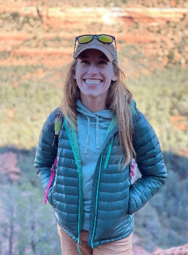
Along the 850-mile Arizona Trail, which spans the length of the state from Utah to Mexico, diverse ecosystems showcase how climate change is actively altering life as we know it across the Southwest. During fall 2025, The Arizona Republic newspaper’s climate reporter, who earned a Ph.D. in ecology before becoming an award-winning journalist, spent seven weeks traveling the full trail on her mountain bike to witness these threats, document their impacts, and consult with experts on solutions. Rich with photos and video from the journey as well as scientific expertise and cultural context, this presentation takes audiences through the state’s biggest environmental challenges and opportunities, mile by mile. From the northern forests torched by a massive fire that closed parts of Grand Canyon National Park in 2025, to the longstanding drought causing conflict with tribes on the slopes of the San Francisco peaks, to the energy solutions underway in the Superstition Mountains, to the humanitarian urgency for answers illuminated at the border with Mexico – Joan Meiners’ trail journey is a scenic and dynamic window into some of Arizona’s most pressing problems, told from the frontlines of journalistic exploration through literal living landscapes.
Artist Talk
Indigenous Culture
Storytelling
Wellness
Díí Bee Adééhonilzindoo: Knowing the Self Through Language and Storytelling
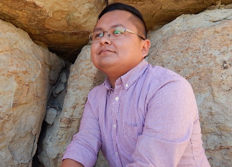
In Diné families, a phrase that elders use after cultural knowledge is shared is Díí Bee Adééhonilzindoo meaning by these things, you will know yourself. The idea is that knowing the self is foundational to knowing, understanding, and empathizing with others, including the land. By knowing ourselves, where we come from, who our people are, and our ancestral stories, we make steps toward a humanity that is intercommunal, that makes space for other kinds of stories and ways of doing to exist. If we know ourselves, we move through the world with open minds and open hearts. Only then, can we truly call ourselves human. This session is a communal practice toward knowing the self through language and storytelling. Through discussion, interactive activities, and other meaningful ways of doing, we will meet the needs of your community by thinking creatively and critically about what it means to know the self and what it means to be human. Note: Storytelling is purposeful and communal. Storytellers will often adjust the nature of their stories to meet the needs of their family or their community. In honor of this ancestral tradition, this session can be modified in consultation with the presenter and the community that is requesting this session.
Arizona/Southwest History
Environmental Humanities
Humanities in Contemporary Issues
Music
Weasel Clones and Vaccine Drones: Reintroducing the Black-Footed Ferret to the Aubrey Valley
In this multimedia presentation, Lawrence Lenhart explores what it means to imagine family, home, and hope in an era of ecological collapse. Drawing from two interconnected works—the nonfiction book Backvalley Ferrets and its rock opera adaptation Pop Goes the Ferret!—the talk follows one family debating whether to have children amid accelerating climate change, economic precarity, and social transformation. Their personal story runs parallel to the reemergence of the black-footed ferret, aka BFFs (“North America’s most endangered mammal”), whose extinction and revival through drones, clones, and captive breeding illuminate both the promises and perils of human intervention in nature. Through lecture, reading, song, and documentary images from northern Arizona’s Aubrey Valley, Lenhart explores questions about family planning, feminist and ecological futures, highway infrastructures, real estate development, desertification, and the crisis of masculinity—issues that collectively define the new American experience. Blending storytelling, environmental humanities, and cultural critique, Lenhart offers a tragicomic meditation on what it takes to make (and keep) a BFF in the Anthropocene.

Arizona/Southwest History
Artist Talk
Environmental Humanities
Storytelling
Our River Stories: The Gila and the Salt
Join Zarco for a series of stories that share the vibrant and tragic history of water and the River People, over a 2,000 year period. Beginning with the Toltec trade route that brought agriculture and corn to the Southwest. The history of the O’Odham before and after the expansion west is revealed. We learn about the Yaqui Indians who fled persecution and found refuge in Arizona rebuilding the ancient canal system. A descendant of the first Mormon settlers tells his families’ story of finding an oasis in the desert given to them by God and their determination to tame the mighty Salt River. Our story culminates when an endearing elderly woman shares the hope that there still is to protect our water resources and to right the wrongs committed against the land and its River People.
Only available for bookings that are in the Greater Phoenix area.

Arizona/Southwest History
Artist Talk
Foodways
Indigenous Culture
Storytelling
The Gift of Hunger and Turkey in Diné Foodways
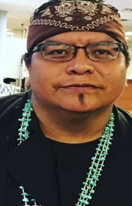
Stories of Diné food traditions, both before and after first contact, reveal deep connections between sustenance, survival, and spirit. These include the story of the Nayee' (monster) hunger and how Turkey saved the precious agricultural seeds. Today, emerging Diné foodways seek to revive these enduring traditions—resurging what has faded, while striving to elevate and innovate within the global culinary landscape. Through storytelling and food, join Mario on this journey of Diné food traditions.
Note: This presentation will include soup for the audience to enjoy as part of the experience. Please make sure this is okay for your site to have. The presentation can be done without it as well.
Arizona/Southwest History
Artist Talk
Rooted in Place: Identity, Home & the Canvas of Community Change
This presentation invites audiences into the vibrant world of Phoenix-born artist Antoinette Cauley, whose powerful murals and community activism are deeply shaped by her connection to place. Through personal storytelling, striking visuals, and reflection on her journey of self-discovery, Cauley explores how understanding her identity and hometown became the foundation for her art and her impact on Arizona’s cultural landscape. This talk reveals how place-based identity transforms not only individual expression but also entire communities — turning city walls into living landscapes of heritage, resilience, and hope.

Arizona/Southwest History
Artist Talk
Indigenous Culture
Grounded: Creating with Land in Contemporary Native American Art
Can we think of a 21st century Arizona through expressions of place inherent in Arizona’s Indigenous arts? In this presentation, I focus on the representation of place that Indigenous artists in Arizona are making in their art. From jewelry, to weaving, to photography, the lived landscape features prominently in Indigenous art. These expressions signify place, culture, tradition, and national aspirations. As a Diné jeweler with decades of experience in Native art spaces, I will demonstrate how the stones and materials connect us to our national homelands in Diné bikeyah and are also a representation of longstanding trade routes between tribes in the southwest. I will show how corn – represented in culture and art – is also a product of trade, and how Diné rugs are intimately linked to the land, including the wool and dye that comprise it. These are all examples of placemaking in Native Arizona. Ultimately, Native space is not limited to today’s boundaries but are expressions of kinship and reciprocity to the land and non-human entities that also inhabit it. Indigenous art in Arizona confounds our understanding of Arizona. Art is not just a reflection of what is there, but an imagined sense of what is possible.

Arizona/Southwest History
Foodways
Indigenous Culture
Growing in the Desert: The History & Culture of the Tohono O’odham
Many Arizonans call the Sonoran Desert and its striking landscapes home. Long before our urban centers and city lights lit up the dark desert skies, the Tohono O’odham were cultivating and shaping the land with abundant agriculture—from squash and beans to corn and cotton. For generations they passed down their rich knowledge and culture grown from their connection to the desert. Join us for a program with Jacelle Ramon-Sauberan as she shares her knowledge about the history and culture of her people, the Tohono O’odham.

Arizona/Southwest History
Borderland & Immigration
Humanities in Contemporary Issues
Arizona and Immigration: Perspectives and Policy Considerations
Arizona’s position on the US southern border has placed it at ground zero in an ongoing immigration crisis that continues to incite often ugly arguments. The arguments are not new in character or content. The size and persistence of the surge at the border is new, however. The US Border Patrol reported more than two million encounters along the US/Mexico border in fiscal 2023. The surge and the humanitarian crisis it has created, along with an estimated 11 million unauthorized immigrants in the United States, demand popular attention. This presentation briefly reviews the immigration crisis and its impact and invites reflection on how we, the people, in Arizona might best think about border and immigration policy.

Arizona/Southwest History
Environmental Humanities
Philosophy
Getting Deeper into the Grand Canyon and Other Natural Wonders
Why are we drawn to such places as the Grand Canyon? Why are people moved to travel from all around the world to visit and explore them? In this presentation, we will discuss people’s relationship with the natural landscape with a particular focus on some of Arizona’s most iconic locations. What are the ethical implications of our encounters with these natural wonders? What can philosophy teach us about the interaction between humanity, beauty, and sublime nature?
